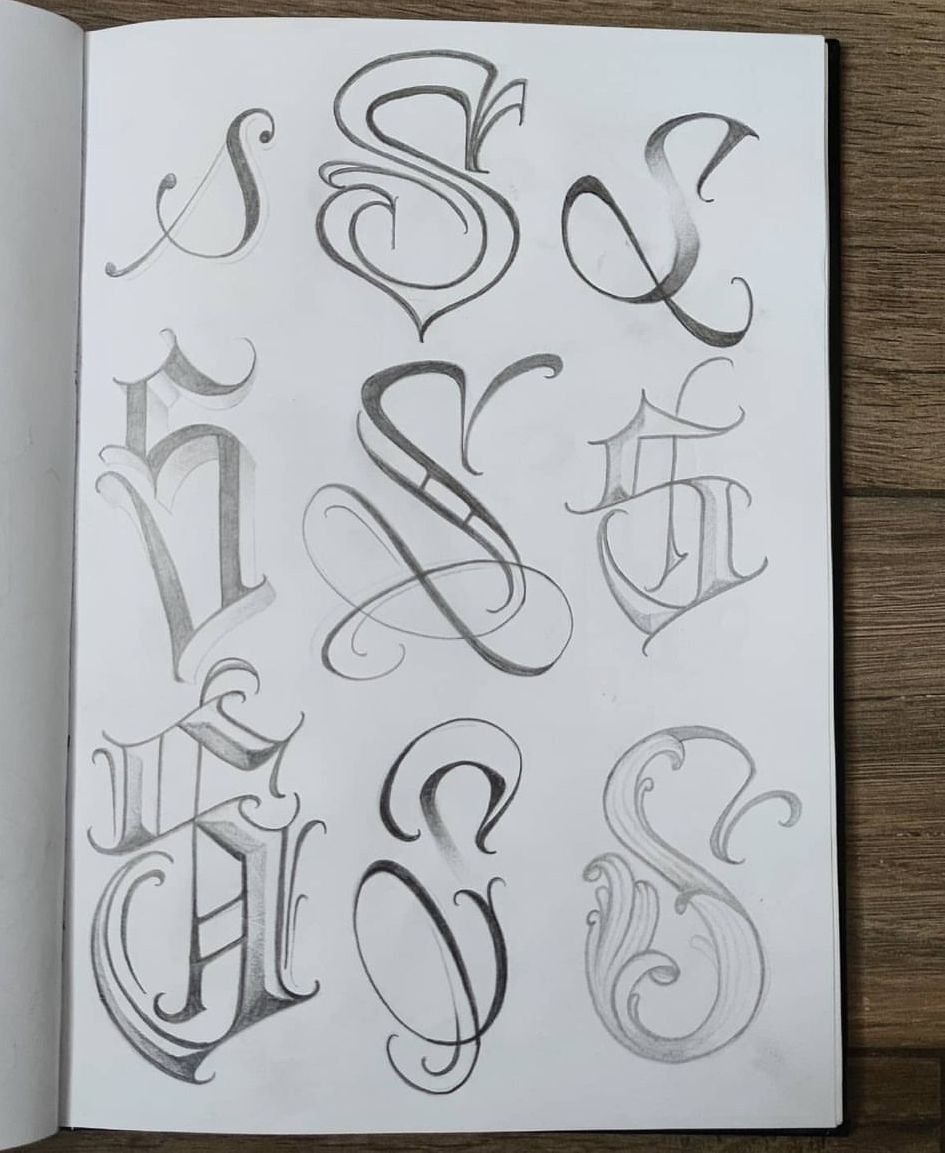
In the bustling urban landscape of Los Angeles, amidst the vibrant murals and the rhythmic pulse of daily life, a unique visual language emerged, bold and unapologetically expressive. This isn't just writing; it's a declaration. We're talking about The Art & History of Chicano Lettering, a powerful artistic tradition that transcends mere script, embodying the resilience, pride, and rich heritage of the Mexican-American experience.
For decades, Chicano lettering has served as both a canvas and a voice, inscribing stories of struggle and triumph onto city walls, lowriders, and even skin. It's a style born from necessity and forged in community, offering a visual legacy that continues to evolve while honoring its deep roots.
At a Glance: What You’ll Discover
- A Living History: Chicano lettering isn't just art; it's a direct descendant of the Chicano Movement, capturing its spirit and struggles.
- Unmistakable Style: Learn the signature characteristics that make this lettering unique, from its bold scripts to its dramatic flourishes.
- Beyond Aesthetics: Understand the profound cultural and symbolic meanings embedded in every stroke and color choice.
- Masters & Innovators: Meet the artists who shaped and propelled this style into the global spotlight.
- Modern Applications: See how Chicano lettering continues to thrive, influencing everything from street art to mainstream branding.
- Your Creative Journey: Practical tips for appreciating and even trying your hand at this iconic art form.
The Voice of a Movement: Roots of Chicano Lettering
To truly grasp the essence of Chicano lettering, you must travel back to the 1960s—a pivotal era when Mexican-American communities across the United States ignited the Chicano Movement. This wasn't just a political awakening; it was a cultural renaissance, a powerful assertion of identity against a backdrop of discrimination and systemic inequality. Art, naturally, became a crucial weapon in this fight, and lettering quickly rose to the forefront.
Imagine a time when the dominant narrative often overlooked or misrepresented an entire community. Chicano lettering emerged as a defiant counter-narrative, scrawled on protest signs, emblazoned on neighborhood walls, and tattooed onto bodies as an indelible mark of belonging. It wasn't about conforming to existing aesthetic norms; it was about creating a new visual language that spoke directly to the heart of the Chicano people—their struggles, their stories, their unwavering resilience, and their immense pride.
Born from the urban landscapes, particularly in cities like Los Angeles, this lettering style became a ubiquitous form of expression. It blended the raw energy of street art with an inherent sophistication, drawing from a rich tapestry of cultural influences. Each carefully crafted letter became a testament to self-determination, transforming public spaces into powerful galleries of collective memory and hope.
Anatomy of a Style: What Makes Chicano Lettering Unmistakable?
Walk through certain neighborhoods, and you'll immediately recognize the distinctive flair of Chicano lettering. It’s more than just a typeface; it’s an entire aesthetic philosophy. Here's what makes it stand out:
The Signature Script: Boldness & Flourishes
At its core, Chicano lettering is characterized by a bold, striking appearance. Think thick, informal script styles that command attention. These aren't delicate whispers; they're strong, confident declarations.
But the boldness is often elegantly balanced with dramatic flourishes and intricate details. Picture the elaborate strokes reminiscent of Gothic calligraphy, but infused with a streetwise edge. You'll often see dynamic, sharp angles, where lines might twist and turn, sometimes arranged in two or three close pairs, creating a layered, almost three-dimensional effect. This fluidity and expressiveness are paramount, with an emphasis on graceful curves, strategic shadowing, and decorative elements that give each letter a dynamic, personalized look.
Beyond the Brush: Tools of Expression
The tools used to create Chicano lettering aren't just practical instruments; they dictate the character and texture of the final piece.
- Brushes: When wielded by a skilled hand, brushes offer incredible precision and control. They allow artists to create those signature clean, elegant curves and sharp, refined edges that give the lettering its polished yet powerful appearance. Think of a master calligrapher, but with a rebellious spirit.
- Spray Cans: In contrast, spray cans inject a raw, edgy, and often more spontaneous feel. They’re the tools of the street, ideal for large-scale murals and graffiti pieces where speed and broad strokes are essential. The subtle drips and textured sprays lend an authentic, urban grit that speaks to the movement's origins in public spaces.
The choice of tool often reflects the message and the medium, each contributing a distinct voice to the overall aesthetic.
Palette of a People: The Power of Color
Colors in Chicano lettering are never arbitrary; they're deeply symbolic, imbued with cultural heritage and emotional resonance.
- Rich Earth Tones & Vibrant Hues: You’ll often see a blend of grounding earth tones, reflecting a connection to ancestral lands, alongside vibrant hues that evoke the lively spirit of Mexican culture.
- Reds and Greens: These colors are frequently used to directly represent Mexican roots, mirroring the colors of the Mexican flag and evoking a sense of national and cultural pride.
- Black and White: While seemingly stark, black and white carry profound weight, often symbolizing the struggle for justice and hope for a better future that defined the Chicano Movement. These monochromatic palettes can create powerful contrasts, emphasizing the strong lines and dramatic shadows of the lettering itself.
Each color choice is a deliberate act, adding layers of meaning that resonate with those who understand its cultural grammar.
Echoes of Ancestry: Symbols & Motifs
Beyond the letters themselves, Chicano lettering frequently incorporates cultural elements that enrich its meaning and ground it firmly in heritage.
- Aztec Patterns: Geometric designs and symbols from ancient Aztec civilization often appear as backgrounds, borders, or integrated within the letters, connecting the present struggle to a glorious past.
- Religious Symbols: Elements like crosses, praying hands, or depictions of La Virgen de Guadalupe are common, reflecting the strong Catholic faith prevalent in many Mexican-American communities and signifying protection, hope, and spiritual resilience.
- Folkloric Motifs: Imagery from Mexican folklore, such as calaveras (skulls), traditional flowers, or elements of Dia de los Muertos, can be woven into the design, celebrating life, death, and cultural continuity.
These motifs are not mere decoration; they are visual shorthand, carrying stories and beliefs that deepen the connection between the art and its audience. They transform the lettering into a rich tapestry of history, faith, and identity.
Masters of the Form: Trailblazers and Innovators
Every art movement has its pioneers, and Chicano lettering is no exception. These artists not only honed the style but also elevated it, ensuring its visibility and enduring legacy.
Perhaps the most instrumental figure in popularizing Chicano styles is Chaz Bojórquez. Often credited as the "Godfather of Cholo Graffiti," Bojórquez began his artistic journey in the late 1960s and early 1970s on the streets of Los Angeles. His work became synonymous with a blend of calligraphic graffiti and traditional letterforms, infused with a distinct Chicano aesthetic. He took the raw, territorial "tagging" of street crews and elevated it into a sophisticated art form, emphasizing readability, proportion, and intricate detail.
Bojórquez's influence extends beyond the streets; his work has been exhibited in prestigious galleries and museums worldwide, legitimizing Chicano lettering within the fine art world. He demonstrated that this unique script was not just vandalism but a profound cultural expression, rich in history and artistic merit. His ability to fuse the edgy, urban spontaneity of graffiti with the disciplined elegance of traditional calligraphy created a powerful hybrid that defined the style for generations.
Other artists, too numerous to list individually, have contributed significantly, each adding their unique voice and perspective. From the early muralists who adorned community walls with monumental script to contemporary tattoo artists meticulously inking intricate letters onto skin, a vibrant community of practitioners continues to evolve the art while staying true to its foundational spirit.
Chicano Lettering in the Modern World: A Global Dialogue
What began as a form of grassroots expression has blossomed into a globally recognized art form, influencing diverse creative fields and sparking conversations far beyond its original context.
From Alleyways to Ad Campaigns: Commercial Appeal
In recent years, Chicano lettering has found an unexpected, yet powerful, footing in the commercial world. Brands are increasingly leveraging its distinct aesthetic to convey authenticity, cultural richness, and a genuine connection with diverse audiences.
Imagine a trendy restaurant using a custom Chicano script for its logo, instantly signaling a connection to heritage and culinary tradition. Or a clothing line employing bold, stylized lettering that evokes a sense of streetwise cool and cultural pride. This isn't just about aesthetics; it's about storytelling. When a brand incorporates Chicano lettering, it often signals an understanding and appreciation of a rich cultural tapestry, helping to enhance recognition and build a deeper rapport with consumers who value cultural resonance. It can transform a generic product into something with character, history, and soul.
Global Reach: A Universal Language
The influence of Chicano lettering isn't confined to the United States. Its unique blend of elegance and edge has captured the imagination of designers and artists worldwide. From Europe to Asia, artists are incorporating elements of Chicano styles into hybrid forms, creating new visual vocabularies that cross cultural boundaries. This global dialogue speaks to the universal power of its design principles—its emphasis on bold forms, intricate details, and expressive lines. It's a testament to how a locally born art form can transcend its origins to become a source of inspiration on an international scale.
The Digital Frontier: Crafting with Code
In an age where digital design reigns supreme, Chicano lettering has also found its place online. Tools that allow for the creation and customization of this unique script are growing in popularity, making the style more accessible than ever. Whether you're a seasoned designer or simply curious about exploring this art form, digital platforms offer a fantastic starting point. For those looking to experiment with this iconic aesthetic, Our Chicano lettering generator provides an easy way to explore different styles, fonts, and decorative elements, bridging traditional artistry with modern technology. These digital resources help demystify the intricacies of the style, allowing more people to engage with and appreciate its beauty.
Preserving the Legacy: Why It Matters
As Chicano lettering gains wider recognition and adapts to evolving design landscapes, the importance of preservation efforts cannot be overstated. Maintaining its cultural significance and original essence is crucial, especially as it moves from the streets to screens and commercial ventures.
Preservation involves several key facets:
- Documentation: Meticulously recording the history, artists, and evolution of the style through oral histories, photographs, and academic studies. This ensures that the narratives behind the art are not lost.
- Education: Teaching traditional techniques and the cultural context behind the lettering. Workshops, classes, and mentorship programs pass down skills and knowledge to new generations, fostering appreciation and ensuring authentic continuation.
- Archiving: Collecting and preserving examples of historical and contemporary Chicano lettering, from original sketches and street art photographs to digital renderings.
These efforts safeguard the integrity of Chicano lettering, ensuring that its powerful story and artistic depth continue to be understood and respected, rather than simply commodified. It’s about honoring the past to enrich the future.
Crafting Your Own Chicano-Inspired Lettering: A Starting Point
Inspired to try your hand at Chicano-style lettering? While true mastery takes years of practice and an understanding of its deep cultural nuances, you can certainly begin to appreciate and experiment with its core principles. Think of this as a journey, not a destination.
Starting Simple: Basic Strokes & Forms
- Understand the Foundation: Begin by studying existing examples. Notice the common letterforms. Many Chicano styles build upon foundational calligraphic structures but with exaggerated curves and sharp angles.
- Practice Basic Strokes: Before forming full letters, practice the fundamental strokes. Focus on achieving consistent line weight (thick to thin transitions) and smooth curves. Use a broad-tip marker or a brush pen to get a feel for the pressure and angle.
- Forming Core Letters: Start with simple, blocky letters, such as "E," "H," "L," or "T." Concentrate on making them bold and grounded. Don't worry about flourishes yet. Focus on creating a strong, stable base for each character.
- Embrace the Lean: Many styles have a slight forward or backward lean. Experiment with this to add dynamism.
Adding Depth: Shadows & Details
Once you're comfortable with basic forms, you can start to add the elements that give Chicano lettering its signature depth:
- Internal Shadowing: This is crucial. Imagine a light source and add a consistent shadow line along one side of your letters. This instantly gives them a three-dimensional, "chiseled" effect.
- Outlines & Overlays: Often, letters will have multiple, thin outlines. Practice adding a clean, consistent outline around your shadowed letters. You can also experiment with a secondary outline that slightly offsets from the primary, adding further depth.
- Basic Flourishes: Start small. Instead of elaborate Gothic swirls, try extending the tail of an 'R' or the crossbar of a 'T' with a graceful, yet deliberate, curve. Remember the "2-3 close pairs" concept mentioned earlier – try adding a subtle double line to some of your curves.
- Practice Consistency: The key to professional-looking Chicano lettering is consistency in shadows, outlines, and flourish style across an entire word or phrase.
Infusing Meaning: Beyond Aesthetics
While learning the technical aspects is important, remember the heart of Chicano lettering lies in its storytelling.
- Research: Learn about the history and cultural significance. Understanding the context will inform your creative choices.
- Intent: Even in practice pieces, think about the message you want to convey. How can the boldness, the curves, or even the imagined colors enhance that message?
- Inspiration, Not Imitation: Use existing works as inspiration, but strive to develop your own hand and style over time, respecting the traditions without simply copying.
Start with simple tools—a pencil, a ruler, and a broad-tip marker—and gradually work your way up. There are many online tutorials and communities dedicated to this art form where you can find guidance and feedback.
Common Questions & Misconceptions About Chicano Lettering
Understanding any cultural art form means addressing common queries and clarifying misunderstandings.
Is Chicano lettering only for Chicanos?
No. While deeply rooted in Chicano culture and created by and for Mexican-American communities, the art form itself can be appreciated and learned by anyone. The key is to approach it with respect, understanding its historical context, cultural significance, and artistic principles, rather than appropriating it without knowledge or reverence.
Is Chicano lettering the same as graffiti?
Not exactly, but they are closely related. Chicano lettering shares influences with traditional graffiti (especially in its urban context and bold presentation), but it developed its own distinct stylistic characteristics, often emphasizing legibility, elaborate flourishes, and a more structured, calligraphic approach than many forms of wildstyle graffiti. Some early Chicano lettering was indeed a form of "tagging" or graffiti, but it evolved into a distinct artistic genre.
Is it always "gang script"?
This is a harmful misconception. While some gang-related expressions might utilize elements of Chicano lettering, the style itself is a broad and rich cultural art form. It predates and transcends gang associations, serving as a powerful visual voice for identity, pride, and community across all aspects of Mexican-American life—from family memorials to business signs, and fine art. Reducing it solely to "gang script" dismisses its vast artistic range and deep cultural importance.
How is it different from traditional calligraphy?
Traditional Western calligraphy (like Copperplate or Spencerian) often prioritizes precise, elegant, and often more formal letterforms, typically used for formal documents or refined aesthetics. Chicano lettering, while sharing a calligraphic foundation, emerged from urban environments and infused these forms with a raw, expressive energy, often utilizing thicker strokes, more dramatic flourishes, and a distinct "street" influence that distinguishes it from more classical styles.
Beyond the Page: Continuing the Journey
The Art & History of Chicano Lettering is far more than just a style of writing; it’s a living testament to cultural resilience, a visual diary of identity, and a powerful tool for expression. From its origins on the streets of Los Angeles as the voice of a movement to its current status as a globally admired art form, its journey is rich with stories, creativity, and profound meaning.
Whether you're an artist seeking new inspiration, a historian intrigued by cultural movements, or simply someone who appreciates the power of visual storytelling, delving into Chicano lettering offers a unique lens through which to view art, history, and the vibrant tapestry of human experience. We encourage you to seek out exhibitions, explore the works of its masters, and continue to learn about the rich heritage that gives every stroke its soul. The conversation around this art form is ongoing, and your curiosity is a vital part of its future.